Guide
How Often Should You Wash Sheets, Towels and Everything Else?
A practical schedule for an Australian home, item by item, with the Sydney humidity factor that most advice written elsewhere leaves out.
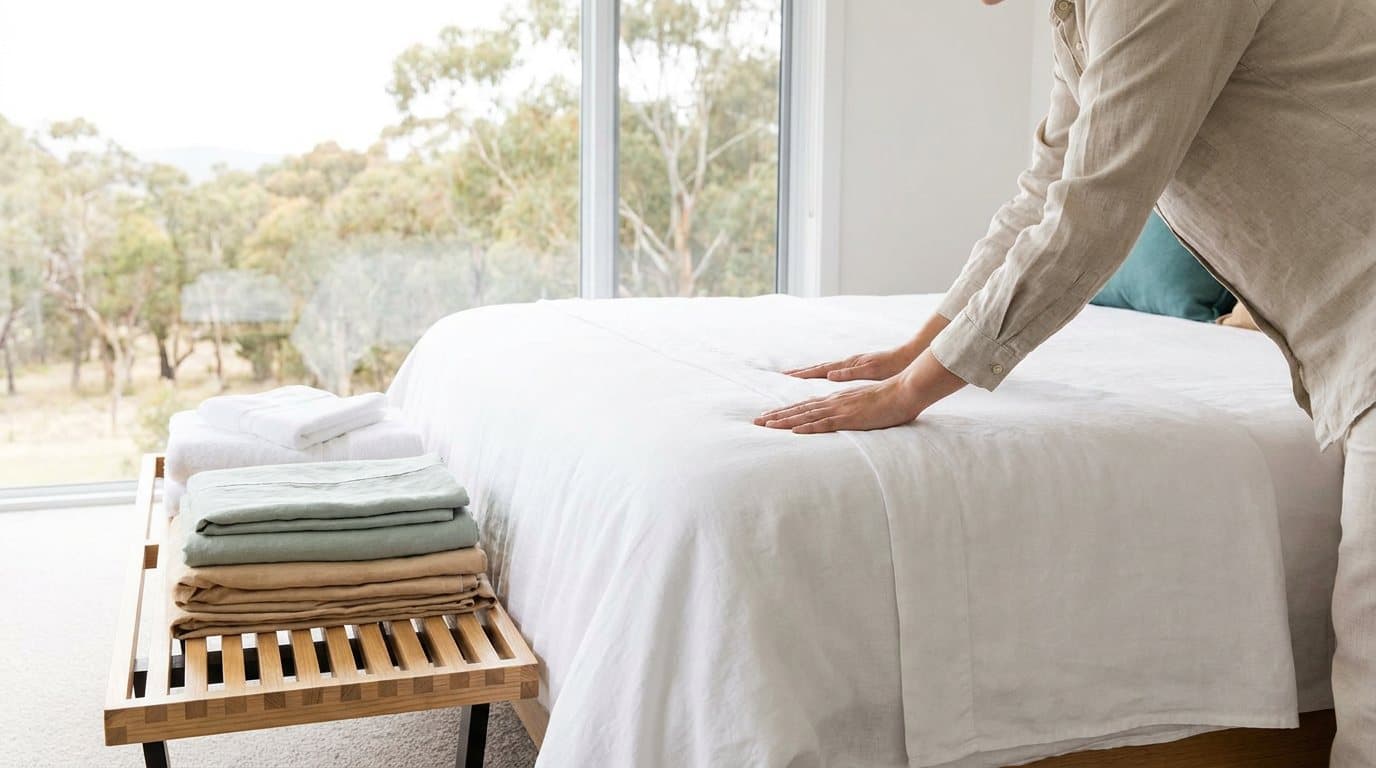
Almost every household is stricter about some items than they need to be and far too relaxed about others. The pattern is predictable: sheets get stretched, tea towels get forgotten, and jeans get washed about three times more often than they should be.
The schedule, item by item
| Item | How often |
|---|---|
| Sheets and pillowcasesYou shed skin cells and roughly half a litre of moisture a night. In a Sydney summer, stretch it to a fortnight and you are sleeping in it. | Weekly |
| TowelsA towel dries you, then stays damp. Three uses is the usual advice; in humid months, two is better. Hang them spread out, not folded over a rail. | After three uses |
| Bath matIt is a towel that lives on the floor and never fully dries. | Weekly |
| PyjamasThey sit between you and clean sheets, so they age the sheets too. | After three or four wears |
| Mattress protectorIt is doing the job of catching what the sheet lets through. Waterproof backings need a low drying temperature. | Every one to two months |
| Pillows (not just the cases)Pillows absorb moisture and oils for years. Most synthetic and down pillows are washable; memory foam is not. | Every six months |
| Doonas and quiltsEnd of winter, and again before it goes back on the bed. The drying matters more than the wash. | Once or twice a year |
| Blankets and throwsMore often if a pet shares them, which they will. | Every one to three months |
| JeansWashing too often fades them faster than wearing them does. Air them between wears. | After four to six wears |
| Tea towelsThey stay damp in a warm kitchen. This is the one most households stretch too far. | Every day or two |
Why sheets are weekly
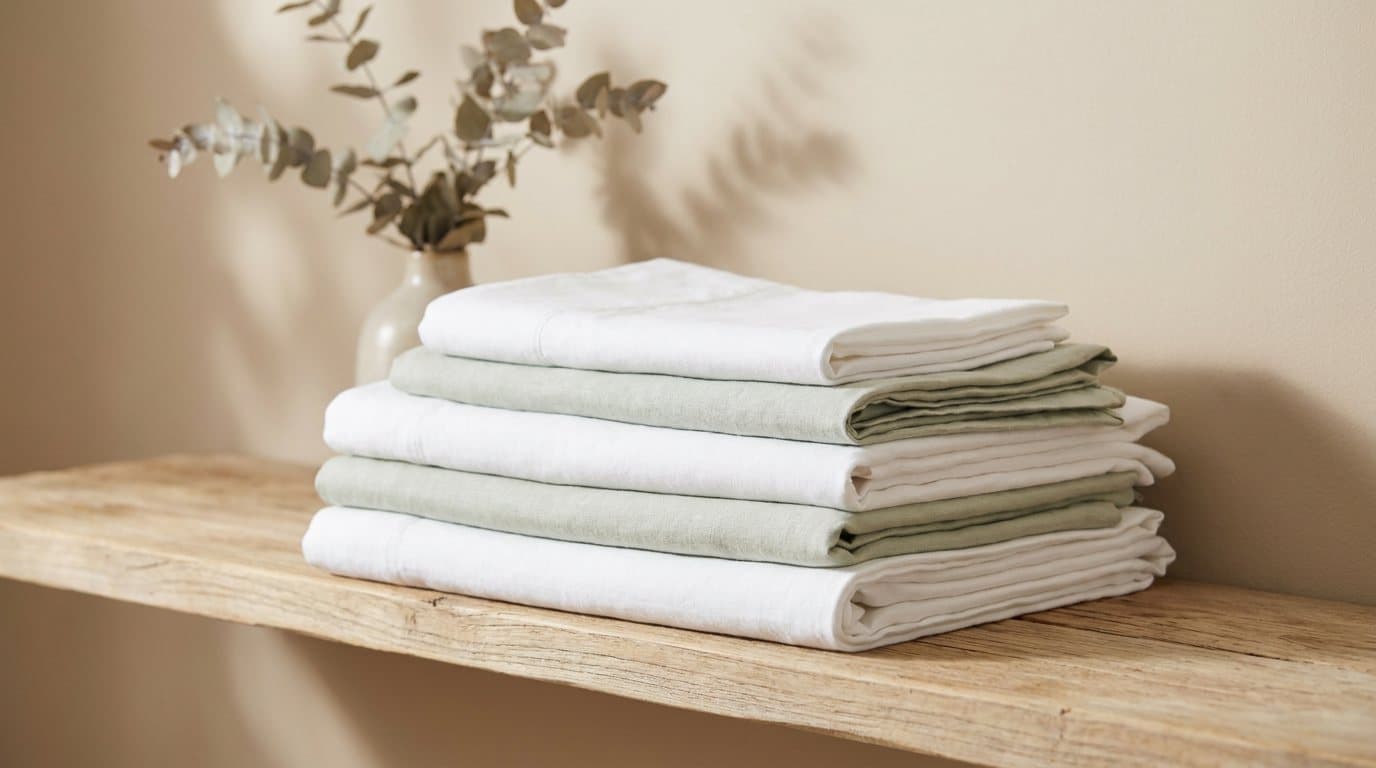
In seven nights a bed collects skin cells, sweat, hair and whatever was on your skin when you got in. That is food for dust mites, which is the real reason allergy sufferers notice the difference immediately when they move from fortnightly to weekly.
Wash sooner than weekly if you:
- Sleep with a pet on the bed
- Have hay fever or asthma
- Go to bed without showering after exercise
- Are unwell, strip the bed when you are better, not just the pillowcase
- Sleep hot, which in a Sydney February is most people
Towels: it is a drying problem, not a washing problem
Three uses is the standard answer, and it holds if the towel dries fully in between. Most towels do not, because they are folded in half over a rail with both sides touching.
Spread the towel out across the rail, leave the bathroom door open, and three uses is comfortable. Leave it bunched in a humid bathroom and the smell arrives on use two, and once it does, a normal wash often will not clear it, because what you are smelling is bacteria in the fibres rather than dirt.
The items most people forget
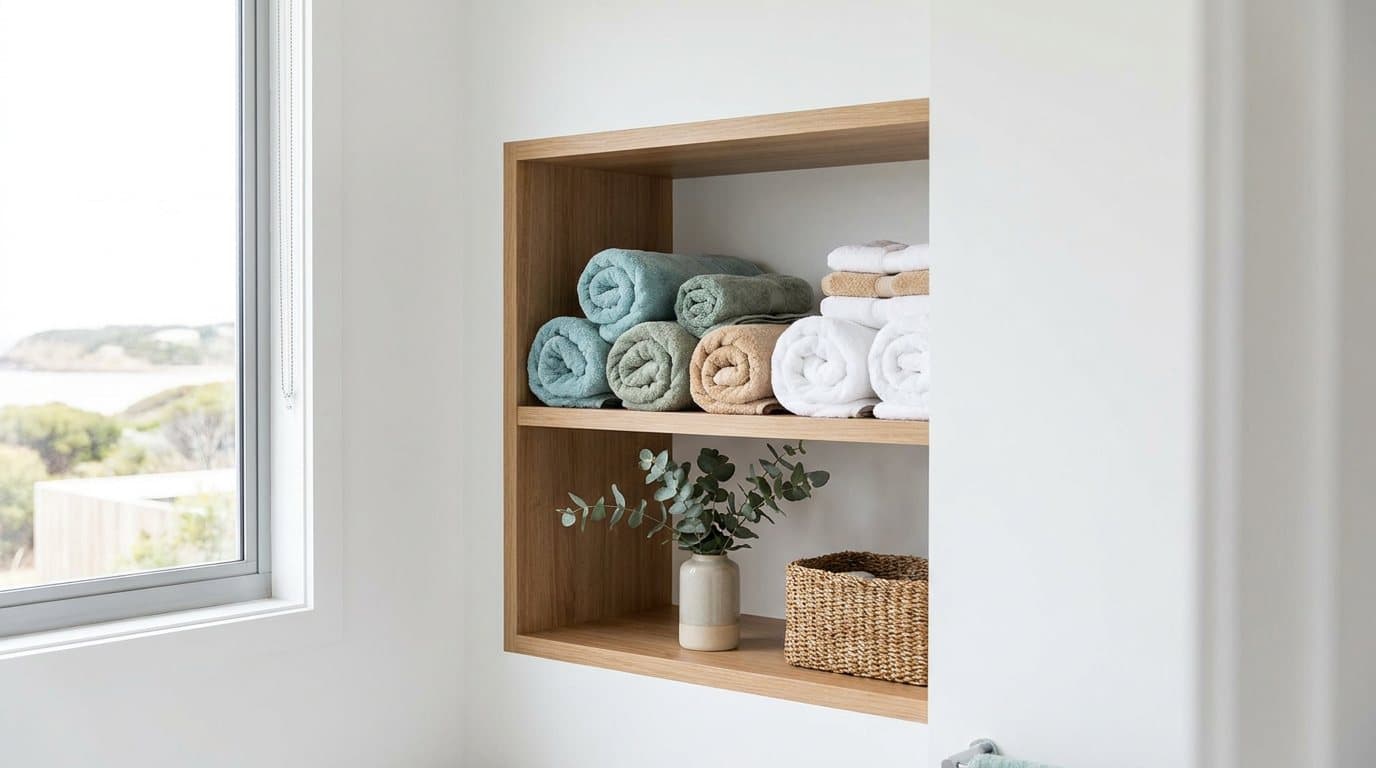
- Pillows. Not the cases, the pillows. Twice a year, and replace them every one to two years. If a folded pillow stays folded, it is finished.
- Mattress protector. Every month or two. It is catching what the sheet does not.
- Doona. Once or twice a year. Our doona guide covers why drying is the hard part.
- Cushion covers and throws. Seasonally, or whenever the dog has had a good year on them.
Making a weekly change actually happen
Two sets of sheets per bed is the whole trick, one on the bed, one clean in the cupboard. Strip and remake in the same two minutes, and the washing is the only step left.
If that step is the one that never happens, it is the part we take. A standard load is $30, sheets and towels come back folded within 24–48 hours, and bedding comes back within 48–72 hours. Plenty of households set a weekly or fortnightly collection and simply stop thinking about it, see how wash, dry and fold works.
FAQ
Washing frequency questions
How often should you wash your bed sheets?
Once a week for most people. Every two weeks is the absolute outside limit, and in a Sydney summer, or if you sleep with a pet, go to bed after the gym, or have allergies, weekly is the floor rather than the target.
How often should you wash towels?
After about three uses, assuming the towel dries fully between them. Spread it out rather than folding it over a rail, and in humid weather wash after two. A towel that smells before you have used it has not been drying properly.
How often should a doona be washed?
Once or twice a year is enough for most homes, at the end of winter, and before it goes back on the bed. The reason to send it out rather than do it at home is drying: filling that stays damp in the middle grows mould. A double or queen doona is $50 with us, back within 48–72 hours.
Does Sydney's humidity change how often I should wash?
It changes drying more than washing. Humid air means towels, bath mats and tea towels stay damp longer, so the same item needs washing sooner. It also means line drying is slower, and a thick item brought inside damp is the usual cause of that musty smell.
Is washing too often bad for fabric?
For jeans, wool and anything with elastane, yes, heat and agitation shorten their life, which is why airing between wears works better than washing. For anything that touches skin overnight or stays damp, the risk runs the other way.

 Serene WashSydney
Let the weekly wash happen without you
Sheets, towels and everyday clothing collected from your door and returned folded. Weekly, fortnightly or one-off, no lock-in.